
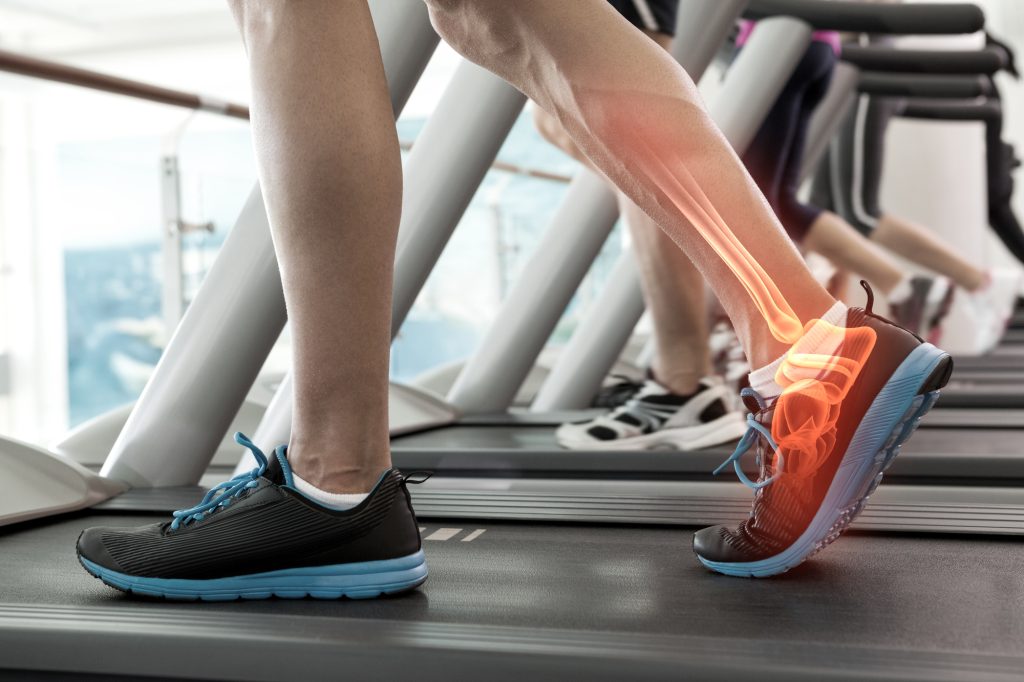
That sharp, aching pain running along the inside of your lower leg during or after a run is one of the most common complaints we see at Your Podiatry People — and one of the most misunderstood. Shin splints affect runners, footy players, dancers and anyone who has recently ramped up their physical activity. The good news? With the right podiatry care, shin splints are very treatable.
In this post, our podiatrists at **Greenslopes, Cleveland and Hamilton** break down everything you need to know about shin splints: what causes them, how to recognise them and — most importantly — how to get rid of them.
What Are Shin Splints?
“Shin splints” is the common term for medial tibial stress syndrome (MTSS) — an overuse injury that causes pain along the inner edge of the tibia (shin bone). The pain occurs when the muscles, tendons and bone tissue around your tibia become overloaded and inflamed.
Shin splints are particularly common in:
– Runners (especially those increasing distance or speed too quickly)
– AFL, soccer and netball players
– Military recruits
– Dancers
– Anyone returning to exercise after a break
What Causes Shin Splints?
Shin splints don’t happen overnight. They’re almost always the result of repetitive stress on the lower leg, combined with one or more of the following contributing factors:
Biomechanical Issues
Overpronation (rolling inward of the foot) is one of the leading biomechanical causes of shin splints. When the foot rolls in excessively, it places increased rotational stress on the tibia and the muscles that attach to it. Our podiatrists at Greenslopes, Cleveland and Hamilton routinely assess gait and foot mechanics as part of any shin splints diagnosis.
Training Errors
Increasing your training load too quickly — the classic “too much, too soon” mistake — is the number one cause of shin splints. This includes:
– Sudden increases in running distance or frequency
– Adding hill work or interval training too early
– Returning to sport too fast after time off
Footwear
Worn-out or inappropriate footwear provides inadequate shock absorption and support, placing additional stress on the lower leg. If your runners are more than 500–800 km old, they may no longer be protecting you.
Running Surface
Hard or uneven surfaces increase the impact forces transferred up through the leg on every stride.
Muscle Weakness or Tightness
Weakness in the hip abductors, gluteal muscles and calf complex can all contribute to excess load through the shin. Tight calf muscles in particular reduce shock absorption and increase tibial stress.
How Do You Know If You Have Shin Splints?
The hallmark symptom is pain along the inner (medial) border of the lower leg, roughly the middle to lower third of the shin. Here’s what shin splints typically feel like:
– A dull, aching pain that is worst at the start of exercise, sometimes easing mid-activity, then returning afterwards
– Tenderness along the shin bone when you press on it
– Mild swelling in some cases
– Pain that worsens with continued training and may eventually become present at rest if left untreated
When Should You See a Podiatrist?
You should book an appointment with us if:
– The pain is getting worse or not improving after a few days of rest
– You’re experiencing sharp or focal point pain (this may indicate a stress fracture — a more serious condition requiring imaging)
– You’ve had to reduce or stop training due to shin pain
– The pain is present at rest or waking you at night
A stress fracture can mimic shin splints but requires very different management. Our podiatrists can assess your symptoms and refer for X-ray or MRI if a stress fracture is suspected.
How Are Shin Splints Diagnosed?
At Your Podiatry People, our assessment for shin splints includes:
1. A thorough history — understanding your training load, footwear, sport and when symptoms started
2. Gait analysis— watching how you walk and run to identify biomechanical contributors
3. Physical examination — palpating the shin to identify the pattern and location of tenderness
4. Footwear assessment — checking whether your shoes are appropriate and still providing adequate support
5. Referral for imaging if a stress fracture needs to be ruled out
How Are Shin Splints Treated?
The right treatment for shin splints depends on how severe your symptoms are and what’s driving them. Here’s what a typical management plan from our podiatrists looks like:
1. Load Management
The foundation of any shin splints treatment plan is modifying your training load. This doesn’t always mean stopping completely — but it does mean reducing the volume and intensity that triggered the problem. Our podiatrists will guide you on how to maintain fitness while allowing the tissue to recover.
2. Custom Orthotics
If overpronation or other foot mechanics are contributing to your shin pain, custom foot orthotics can significantly reduce the stress placed on the tibia. Orthotics prescribed by our podiatrists are made specifically to your foot measurements and gait pattern.
3. Footwear Advice
We will assess your current footwear and advise whether a change of running shoe type (e.g. a more supportive or cushioned shoe) may help.
4. Strengthening and Rehabilitation Exercises
Addressing muscle weakness is critical to long-term resolution. We’ll prescribe exercises targeting the calf, tibialis posterior, hip abductors and glutes to reduce the load through your shin.
5. Massage and Soft Tissue Therapy
Tight calf muscles and the muscles around the shin can be addressed with targeted soft tissue work, helping to reduce tension and improve movement.
6. Taping
Short-term low-dye or tibial taping techniques can offload the shin and allow you to continue modified training while healing progresses.
7. Graded Return to Sport
Getting you back to full training safely is our goal. We’ll build a progressive return-to-activity plan that reduces the risk of re-injury.
How Long Do Shin Splints Take to Heal?
With appropriate management, many people experience significant improvement within 4–8 weeks. However, healing time varies depending on:
– How long you’ve had symptoms before seeking treatment
– Whether you continue to train through the pain
– Your overall health and fitness
– How well the underlying causes are addressed
Ignoring shin splints and training through them can lead to a tibial stress fracture, which requires a much longer recovery period — sometimes 8–12 weeks of restricted activity.
Can Shin Splints Be Prevented?
Absolutely. Here are the key strategies our podiatrists recommend:
– Increase training load gradually — follow the 10% rule (no more than 10% increase in weekly mileage)
– Replace your footwear regularly — don’t wait until they’re visibly worn out
– Warm up properly and include calf and lower leg stretches in your routine
– Strength train — build hip and calf strength alongside your running or sport
– Vary your training surfaces where possible
– Have your gait assessed by a podiatrist, especially before ramping up training
See Our Podiatrists for Shin Splints in Greenslopes, Cleveland and Hamilton
If you’re dealing with shin pain, don’t wait for it to become a bigger problem. The sooner shin splints are assessed and treated, the faster you’ll get back to doing what you love.
Your Podiatry People has experienced podiatrists ready to help at our three convenient South East Queensland locations:
– 📍 Greenslopes
– 📍 Cleveland
– 📍 Hamilton
Whether you’re a weekend warrior, a seasoned runner or just getting back into exercise, we’re here to get you moving pain-free.
👉 Book an appointment online or call your nearest clinic today.
Your Podiatry People — Greenslopes | Cleveland | Hamilton
Helping South East Queensland move better, every day.
—
Related Posts